Makineniz için Doğru Güvenlik Işık Perdesine mi İhtiyacınız Var?
Bize makine tipinizi ve koruma gereksinimlerinizi söyleyin. Mühendislik ekibimiz projeniz için uygun bir güvenlik ışık perdesi, sensör veya güvenlik lidarı seçmenize yardımcı olacaktır.
Şunlar için destek alın:
Standart ve özel güvenlik ışık perdesi projeleri
OEM, entegrasyon, dağıtım ve fabrika yükseltme ihtiyaçları
Makine yerleşimi, algılama aralığı, çıktı ve ortama göre ürün seçimi
Satın alma ekiplerinin güvenlik ışık perdesi fiyatlandırmasında 12% indirim kazandığını ve üç hafta sonra kaybettiğini gördüm çünkü “daha ucuz” teklifte montaj braketleri, uzatılmış kablolar, teşhis ekranı, sevkiyat öncesi denetim veya uygulama incelemesi yoktu. Kâğıt üzerinde satın alma keskin görünüyordu; fabrika katında ise mühendislik, eksik varsayımlara ve kimsenin imzalamak istemediği bir yeniden başlatma devresine sahip yarım belirtilmiş bir güvenlik sensörü projesini devraldı.
Peki gerçekten ne kurtardılar?
Güvenlik sensörü fiyatları genellikle müzakere edilebilir 5% - 20% Alıcının net miktarları, sabit özellikleri, makul teslim süresi ve tekrar sipariş yolu olduğunda proje bazlı siparişlerde. Karmaşık projelerde -özel muhafaza, standart olmayan koruyucu yükseklik, bilinmeyen durma süresi, acil teslimat, belirsiz standartlar, karışık modeller- indirim penceresi hızla daralır. Daha da ileri gideceğim: Bir tedarikçi, daha zor teknik sorular sormadan bir makine güvenlik sensörü teklifinden 30% verirse, şüphelenirim.
Makine korumasında, en ucuz sensör nadiren en ucuz sistemdir.
OSHA'nın kendi makine koruma kılavuzu, ışık perdelerini bariyer korumaları ve iki elle çalıştırma cihazlarının yanı sıra kabul edilebilir bir koruma yöntemi olarak adlandırır, ancak aynı kılavuz, alıcıların genellikle göz ardı ettiği rahatsız edici noktayı ortaya koyar: çalışanları yaralanmaya maruz bırakan makineler, operatörün çalışma döngüsü sırasında vücudunun herhangi bir bölümünü tehlike bölgesine yerleştiremeyeceği şekilde korunmalıdır. Bu bir fiyat tartışması değildir. Bu çelik, kablolama ve yazılımla ilgili bir sorumluluktur. OSHA makine koruma kılavuzu koruma yönteminin sadece bir satın alma siparişinde görünmesi değil, tehlikeye gerçekten uyması gerektiğini söylüyor.
İçindekiler
Güvenlik Sensörü Fiyatlandırmasında Gerçek Pazarlık Nerede Olur?
En güçlü alıcılar “Fiyatı düşürebilir misiniz?” diye sormaz. “Güvenlik işlevini zayıflatmadan hangi maliyet etkenlerini ortadan kaldırabiliriz?” diye sorarlar.”
Bu çok farklı bir konuşma.
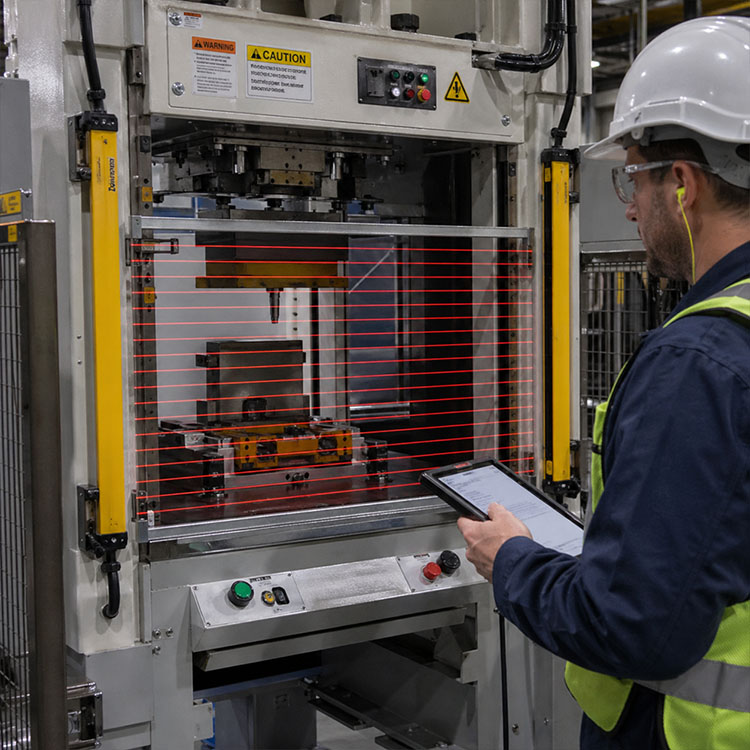
Teklif veren bir tedarikçi kompakt güvenli̇k işik perdeleri̇ Küçük bir montaj makinesi için fiyatlandırma, bir tedarikçinin teklif vermesinden farklı bir sorundur ağır makine ışık perdeleri hidrolik pres, damgalama hattı veya geniş erişimli makine aleti için. İlk proje dar alan, M12 konektörler, 10 mm veya 20 mm çözünürlük ve hızlı stok bulunabilirliği ile ilgili olabilir. İkincisi ise uzun algılama mesafesi, titreşim direnci, sağlam alüminyum gövde, IP66/IP67 koruması ve daha sancılı bir onay zinciri içerebilir.
İşte acı gerçek: sensörün kendisi genellikle ticari riskin yalnızca üçte biridir. Diğer üçte ikisi ise spesifikasyon doğruluğu, kurulum süresi, arıza yönetimi ve hat arızalandığında ne olacağıdır.
Endüstriyel güvenlik sensörü fiyatlandırması için genellikle bu pazarlık kollarının çalıştığını görüyorum:
Müzakere Kaldıracı
Tipik İndirim Etkisi
Alıcının Vazgeçtiği Şeyler
Asla Vazgeçmeyeceğim Şey
Serbest bırakma başına daha yüksek miktar
5%–15%
Envanter esnekliği
Doğru çözünürlük ve koruyucu yükseklik
Standartlaştırılmış model ailesi
3%–10%
Makineye özgü bazı optimizasyonlar
Gerekli PLr/SIL hedefi
Daha uzun teslim süresi
4%–12%
Aciliyet
Sevkiyat öncesi denetim
Basitleştirilmiş ambalaj
1%–4%
Perakende tarzı sunum
Hasar koruması
Net çizimler ve kablolama verileri
3%–8%
Düzgün yapılırsa yok
Başvuru incelemesi
Tekrar sipariş tahmini
5%–18%
Biraz satın alma özgürlüğü
Revizyon kontrolü
Ödeme koşullarında iyileştirme
2%–6%
Nakit zamanlaması
Uyumluluk belgeleri
Aksesuarların çıkarılması
2%–10%
Braketler, kablolar, kontrolör parçaları
Güvenli kurulum için gereken her şey
Çirkin numara mı? 15%'lik indirim, montajcının kablo pinout'larını izlemek, braket imal etmek veya eksik aksesuarları beklemek için fazladan bir gün harcaması halinde buharlaşabilir. Gerçek bir tesis yenilemesinde, işçilik, çalışmama süresi ve yeniden doğrulama genellikle ucuz satın almayı faturanın gösterdiğinden daha sert bir şekilde cezalandırır.
İndirim Tavanı: Neleri Zorlardım ve Nelere Dokunmazdım
Temiz bir RFQ için çok zorlardım. Ciddiyim.
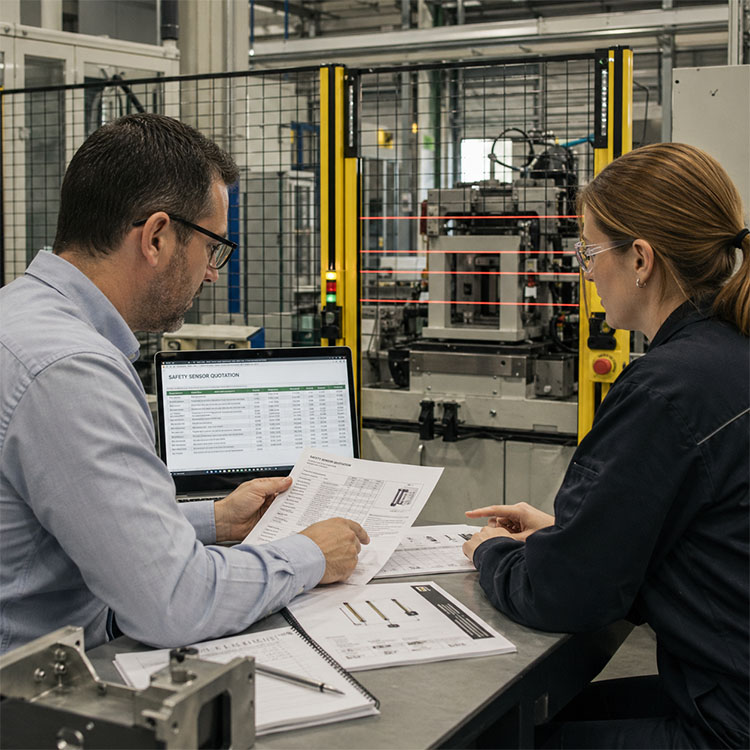
Alıcı makine tipi, tehlike noktası, koruyucu yükseklik, çözünürlük, algılama aralığı, çıkış tipi, besleme voltajı, montaj mesafesi, kablo uzunluğu, çevre koşulları, yıllık miktar, hedef pazar ve hedef teslimat tarihi sağlarsa, tedarikçi daha az belirsizliğe sahip olur. Daha az belirsizlik daha iyi bir fiyatı hak eder. İşte tam da bu yüzden OEM tedarik içgörüleri önemli̇: ci̇ddi̇ bi̇r maki̇ne güvenli̇k sensörü tekli̇fi̇, tek satirlik bi̇r mal tekli̇fi̇ deği̇ldi̇r.
Ama bunun da bir sınırı var.
Genel özellikleri kullanan temel bir güvenlik ışık perdesi projesi için - örneğin 20 mm veya 30 mm çözünürlük, DC24V, PNP/NPN çıkışı, standart alüminyum gövde, 5 m ila 10 m algılama aralığı, normal teslim süresi - aşağıdakiler için yer beklerdim 8% ila 15% Özellikle 20+ set veya tekrar eden yıllık taleplerde proje fiyatlandırması konusunda müzakere.
Özel veya riskli projeler için - çok taraflı koruma, alışılmadık koruyucu yükseklik, su geçirmez muhafaza, yüksek titreşim, özel etiket, ihracat belgeleri, özel braketler veya sıkı teslimat - şunları beklerdim 3% - 10% Ses ciddi değilse.
İçin çok taraflı erişim koruma ışık perdeleri, fiyat pazarlığı genellikle verici/alıcı çiftinden çok geometri ile ilgilidir. Üç taraflı koruma, robot hücresi erişimi, palet aktarım açıklıkları ve çoklu sıfırlama noktaları tasarım riskini beraberinde getirir. Bu risk paraya mal olur. Risk yokmuş gibi davranmak, projelerin kaza raporlarına dönüşmesine neden olur.
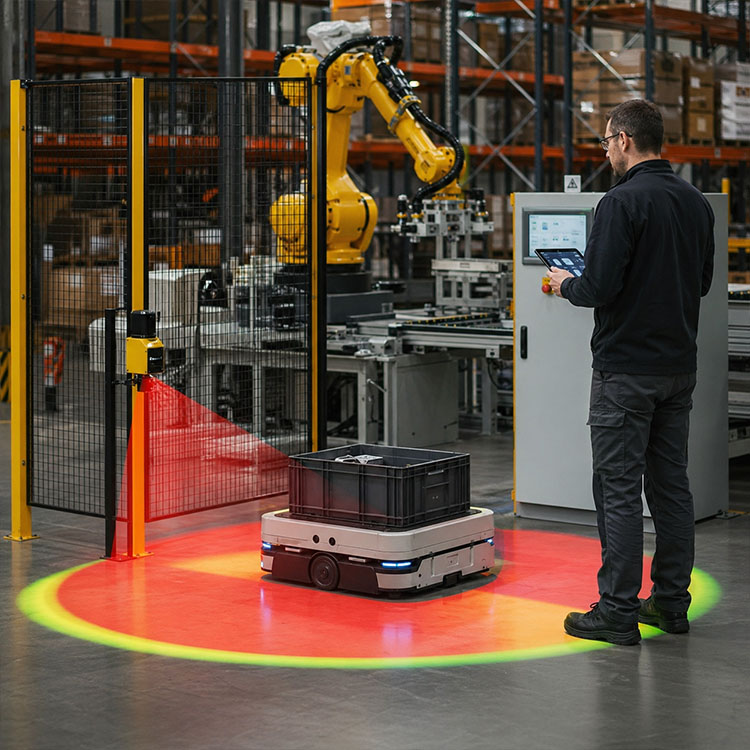
İçin güvenlik LiDAR sensörleri, AGV'ler, AMR'ler, depo otomasyonu ve robotik bölgeler etrafındaki lazer güvenlik tarayıcısı tarzı uygulamalar da dahil olmak üzere, pazarlık daha da zordur. Lazer güvenlik tarayıcısının maliyeti algılama alanına, tarama açısına, tepki süresine, çevresel derecelendirmeye, yazılım yapılandırmasına ve entegrasyon desteğine bağlıdır. Sadece sensör gövdesi fiyatını karşılaştıran bir alıcı temelde gözü kapalı pazarlık yapıyor demektir.
Alıcıların Görmezden Geldiği Sorumluluk Matematiği
Biraz gerçek rakamlar getirelim.
ABD Çalışma İstatistikleri Bürosu'nun raporuna göre 2024 yılında özel sektörde 2,5 milyon ölümcül olmayan işyeri yaralanması ve hastalığı, 2023'e göre 3,1%'lik bir düşüşle, özel sektör toplam kaydedilebilir vaka oranı 100 tam zamanlı eşdeğer çalışan başına 2,3 vaka. Bu kulağa gelişme gibi geliyor ve öyle de. Ancak her “küçük” koruma kararının arkasında hala büyük bir sakatlık tabanı var. BLS işveren tarafından bildirilen yaralanma verileri Kuru bir okuma, ancak tedarikçiler ucuz bir teklifi kutlamadan önce okumalı.
Bir de işin ölümcül tarafı var. BLS kaydedildi 2024 yılında Amerika Birleşik Devletleri'nde 5.070 ölümcül iş kazası, ve her gün bir işçinin öldüğünü bildirdi. 104 dakika işle ilgili bir yaralanmadan. Yine, bu ölümlerin her biri makine koruması ile ilgili değildir. Ancak bir presin, konveyörün, robot hücresinin veya kesme makinesinin yanında duran herhangi bir güvenlik yöneticisi, rakamların neden önemli olduğunu bilir. BLS ölümcül mesleki yaralanma verileri sadece fatura ile satın almayı çocukça hissettirmelidir.
Ve OSHA cezaları artık sembolik değil. OSHA, 15 Ocak 2025 tarihinden sonraki azami cezaları şu adreste listeliyor Ciddi ihlal başına $16,550, $16,550 azaltılmadığı için gün başına, ve $165,514 kasıtlı veya tekrarlanan ihlal başına. Güvenlik sensörü kurulum maliyetinde $280 üzerinde mücadele eden bir alıcının ölçek uyumsuzluğunu anlaması gerekir. OSHA ceza verileri pazarlama kopyası değildir; evrak işleri başarısız olduktan sonra gelen faturadır.
Satın alma ekiplerinin incelemesi gerektiğini düşündüğüm bir yasal kayıt, Swisslog Logistics ve Wal-Mart Stores East ile ilgili OSHRC kararıdır. Sistemde konveyör giriş noktaları, erişim kapıları, tamponlar ve ışık perdeleri bulunuyordu; kararda ışık perdelerinin bir kişinin geçmesi halinde arabaları durduracak şekilde nasıl tasarlandığı anlatılmaktadır. Buradan çıkarılacak ders “daha fazla sensör satın almak” değildir. Çıkarılacak ders, güvenlik cihazlarının prosedürlerin, erişim mantığının, sıfırlama davranışının ve insani geçici çözümlerin içinde yaşadığıdır.
İyi Bir Makine Güvenlik Sensörü Teklifi Neleri Göstermelidir?
Varsayım içermeyen bir alıntı, alıntı değildir. Yemdir.
Güvenlik sensörü proje maliyetini incelediğimde, mühendislik, satın alma ve bakımın aynı makineye baktığına dair yeterli ayrıntı görmek istiyorum. Teklifte sadece “güvenlik perdesi, 20 mm, 1 set” yazıyorsa geri gönderirim.
Endüstriyel projeler için en iyi güvenlik sensörlerine yönelik ciddi bir RFQ şunları içermelidir:
Tehlike: ezilme, kesme, içeri çekme, kesme, darbe, beklenmedik yeniden başlatma
Gerekli çözünürlük: 10 mm parmak algılama, 20 mm el algılama, 30 mm/40 mm avuç içi veya vücut algılama
Koruyucu yükseklik: 160 mm, 320 mm, 640 mm, 1.200 mm veya özel
Algılama aralığı: 0,3-5 m, 0,5-10 m, 20 m, 25 m, ürün sınıfına bağlı olarak
Çıkış: OSSD, PNP/NPN, röle modülü, çift çıkış, güvenlik kontrolörü uyumluluğu
Güvenlik hedefi: Kategori 2, Kategori 4, PL c/d/e, uygulanabildiği yerlerde SIL 1/2/3
Çevre koşulları: IP65, IP66, IP67, yağ buharı, yıkama, titreşim, toz, ortam ışığı
Kablo ve konektör: M8, M12, uçan kablo, blendajlı kablo, özel uzunluk
Dokümantasyon: veri sayfası, bağlantı şeması, boyutsal çizim, kılavuz, beyan, test kaydı
Ticari şartlar: Adedi, teslim süresi, EXW/FOB/CIF/DDP, garanti, numune politikası, revizyon kontrolü
İşte bu yüzden i̇leti̇şi̇m ve tekli̇f sayfasi formalite olarak görülmemelidir. Sayfada ürün ilgisi, fiyat teklifi, teknik özellikler, sertifikalar, CAD çizimleri ve proje detayları sorulur çünkü bu alanlar fiyatı değiştirir. Daha da önemlisi, fiyat teklifinin kullanılabilir olup olmadığını değiştirirler.
Tedarikçiyi Ne Kadar Zorlayabilirsiniz?
İşte benim pratik cevabım.
Bir veya iki standart güvenlik ışık perdesi satın alıyorsanız, makul bir fiyat isteyin, ancak mucize beklemeyin. Belki de 3% - 8%. Tedarikçinin stoğu varsa, nakliye, braketler, kablolar veya numune indirimi için pazarlık yapabilirsiniz.
Bir OEM platformu için 10 ila 50 set satın alıyorsanız, daha fazla zorlayın. 8% - 18% teknik özellikler sabit olduğunda ve aynı model makineler arasında tekrarlandığında gerçekçidir.
Yılda 100'den fazla set satın alıyorsanız veya distribütör envanteri oluşturuyorsanız, her şey değişir. Yıllık fiyatlandırma, özel etiketli paketleme, yedek birimler, ödeme koşulları, kilitli ürün reçeteleri ve sevkiyat gruplama konularında pazarlık yapabilirsiniz. Bu durumda, 15% - 25% mümkün olabilir, ancak sadece tedarikçi tahmine inanırsa.
Ancak baskıyı kaldıraç ile karıştırmayın.
Kaldıraç temiz veridir. Baskı ise “rakibiniz daha ucuz” demektir. Tedarikçiler bu cümleyi her gün duyarlar. Çoğu zaman rakip teklifte kablolar eksiktir, farklı bir çözünürlük kullanılır, dokümantasyon atlanır veya güvenlik ışık perdesinin ait olduğu yerde güvenlik dışı bir fotoelektrik sensör teklif edilir. Bu numarayı birden fazla kez gördüm. Zekice değil. Tehlikeli bir şey.
Güvenlik Sensörü Fiyatlandırmasının Asla Pazarlık Etmemeniz Gereken Kısımları
Bu beş maddeden ödün vermektense daha fazla ödemeyi tercih ederim:
Doğru Güvenlik Fonksiyonu
Satın alma tablosu daha iyi göründüğü için asla gerekli bir Tip 4 / Kategori 4 / PL e cihazından daha zayıf bir seçeneğe geçmeyin. Risk değerlendirmesi daha yüksek hata toleransı gerektiriyorsa, fiyat teklifi risk değerlendirmesini takip etmelidir.
Durma Süresi ve Güvenlik Mesafesi İncelemesi
Tehlikeye çok yakın yerleştirilmiş bir ışık perdesi “neredeyse uyumlu” değildir. LED'li bir tuzaktır. Durma süresi, tepki süresi, yaklaşma hızı ve montaj mesafesi, bir el tehlike bölgesine ulaşmadan önce makinenin durup durmayacağına karar verir.
Tam Modelle Eşleşen Dokümantasyon
Jenerik sertifikalar ucuzdur. Tam belgeler disipline mal olur. Veri sayfaları, bağlantı şemaları, kılavuzlar, beyanlar, model kodlaması ve muayene kayıtları sipariş edilen modelle eşleşmelidir.
Gerçek Kurulum İçin Gerekli Aksesuarlar
Braketler, kablolar, konektörler, aynalar, sütunlar, kontrol modülleri ve sıfırlama anahtarları tekliften kolayca çıkarılabilir. O zaman montajcı doğaçlama yapar. Tehlikeli hareketlerde doğaçlamadan nefret ederim.
Revizyon Kontrolü
OEM'ler için revizyon sapması sessiz bir katildir. Bir tedarikçi muhafazayı, konektörü, aygıt yazılımını, kablo rengini veya optik davranışı değiştirir ve bir sonraki üretim partisi doğrulanmış örnekle eşleşmeyene kadar kimse fark etmez.
Gerçekten Kullanacağım Bir Müzakere Senaryosu
Ben olsam “en iyi fiyat” ile başlamazdım.”
Ben olsam bunu yazardım:
“Tekrarlanan bir OEM projesi için güvenlik sensörü fiyatlandırmasını değerlendiriyoruz. İlk sipariş 20 set ve tahmini yıllık talep 120 set. Lütfen standart modeli ve aynı güvenlik işlevini, çözünürlüğü, koruyucu yüksekliği, çıkış türünü, dokümantasyon paketini ve kurulum gereksinimlerini koruyan maliyet açısından optimize edilmiş herhangi bir alternatifi teklif edin. Fiyat indirimi mümkünse, tasarrufları hacim, teslim süresi, ödeme koşulları, paketleme ve aksesuar kapsamına göre ayırın.”
Bu paragraf iki şey yapar. Tedarikçiye ciddi olduğunuzu söyler ve sistemi sessizce düşürmelerini engeller.
Güçlendirme projeleri için şunu ekleyebilirim:
“İsteğe bağlı kalemler olarak listelenmedikleri sürece braketleri, kabloları, sıfırlama bileşenlerini veya belgeleri temel fiyat teklifinden çıkarmayın. Sadece sensör gövdesi maliyetine değil, kurulu proje maliyetine ihtiyacımız var.”
Bu tek cümle daha sonraki tartışmaları kurtarır.
Alıcının Kırmızı Bayrak Listesi
Makineyi sormadan karmaşık bir koruma projesi için anında teklif veren bir güvenlik sensörü tedarikçisine güvenmiyorum.
Ayrıca “CE sertifikalı” diyen ancak tam modeli, standardı, test kapsamını veya belge sahibini tanımlayamayan alıntılara da güvenmiyorum. Boyut, elektrik, tepki süresi ve güvenlik kategorisi kanıtı olmayan “SICK'e eşdeğer”, “Keyence ile aynı” veya “Omron tipi” iddiaları da aynı şekilde. SICK deTec4, Keyence GL-R, Omron F3SG, Leuze MLC 500 ve Banner EZ-SCREEN gibi model isimleri faydalı referans noktalarıdır, ancak “benzer” bir güvenlik argümanı değildir.
Bir tedarikçi daha düşük maliyetli olabilir ve yine de yetkin olabilir. Ben buna inanıyorum. Ancak düşük maliyetli tedarikçiler net spesifikasyon kontrolüne zorlanmalıdır. Romantizm yok. Varsayımlar yok. Belirsiz uyumluluk konuşmaları yok.
SSS
Güvenlik sensörü proje fiyatlandırması genellikle ne kadar müzakere edilebilir?
Alıcı istikrarlı özellikler, gerçekçi miktar, makul teslim süresi ve güvenilir bir tekrar sipariş planı sağladığında güvenlik sensörü proje fiyatlandırması genellikle 5% ila 20% arasında pazarlık edilebilir, ancak indirimler asla gerekli güvenlik işlevlerini, belgeleri, aksesuarları veya kurulum incelemesini kaldırmaktan kaynaklanmamalıdır. Küçük tek seferlik siparişler alt sınıra yakındır. OEM ve distribütör programları daha yüksektir.
Basit bir güvenlik ışık perdesi fiyatlandırma talebi için, sensör seti, braketler, kablolar, kontrolör, dokümantasyon, paketleme, navlun ve numune maliyeti gibi kalem kalem fiyatlandırma isteyerek başlardım. Maliyet yapısı bir kez görünür olduğunda, pazarlık daha temiz ve daha az riskli hale gelir.
Endüstriyel güvenlik sensörü fiyatlandırmasını en çok ne etkiler?
Endüstriyel güvenlik sensörü fiyatlandırması en çok güvenlik derecesi, algılama çözünürlüğü, koruma yüksekliği, algılama aralığı, gövde tasarımı, IP derecesi, çıkış tipi, özelleştirme, dokümantasyon, aksesuarlar, sipariş miktarı ve teslim süresinden etkilenir, çünkü her faktör üretim maliyetini, uygulama riskini, test yükünü veya satış sonrası sorumluluğu değiştirir. Sensör gövdesi proje fiyatının sadece bir parçasıdır.
Örneğin, kompakt bir makine için 10 mm'lik bir parmak koruma ışık perdesi, geniş bir hidrolik pres için 40 mm'lik bir ağır makine ışık perdesi gibi fiyatlandırılmaz. AGV bölgesinin izlenmesi için bir güvenlik LiDAR'ı başka bir maliyet yapısı daha getirir.
Lazer güvenlik tarayıcısı maliyeti, güvenlik ışık perdesi fiyatlandırmasından daha pazarlık edilebilir mi?
Lazer güvenlik tarayıcısı maliyeti bazen güvenlik ışık perdesi fiyatlandırmasından daha az pazarlığa açıktır çünkü tarayıcılar genellikle daha yüksek yazılım, yapılandırma, bölge tasarımı, çevre ve entegrasyon karmaşıklığı içerirken, standart ışık perdelerinin model aileleri ve üretim partileri arasında karşılaştırılması daha kolaydır. Hacim yine de tarayıcı fiyatını düşürebilir, ancak proje belirsizliği agresif indirimleri sınırlar.
Daha akıllıca bir hareket, sistem paketi üzerinde pazarlık yapmaktır: tarayıcı, montaj kiti, yapılandırma desteği, saha doğrulama yardımı, yedek kablo, yazılım erişimi ve teslimat programı. Kimse kurulum işini bütçelendirmezse ucuz bir tarayıcı gövdesi pahalı hale gelebilir.
Bir makine güvenlik sensörü teklif talebine neleri dahil etmeliyim?
Bir makine güvenlik sensörü teklif talebi, makine tipi, tehlike tanımı, koruyucu yükseklik, çözünürlük, algılama mesafesi, durma süresi varsayımları, montaj alanı, çıkış gereksinimi, voltaj, kablo veya konektör tipi, çevre koşulları, hedef pazar, miktar, teslimat koşulları ve dokümantasyon ihtiyaçlarını içermelidir. Bu, tedarikçinin ucuz ama teknik olarak yanlış bir sensör teklif etmesini önler.
Teklif talebinde durma süresi, sıfırlama mantığı, güvenlik mesafesi ve gerçek tehlike bölgesinden bahsedilmiyorsa, teklifin eksik olduğunu varsayarım. Bu kulağa sert gelebilir, ancak eksik güvenlik teklifleri pahalı sürprizler yaratır.
En düşük fiyatlı güvenlik sensörü tedarikçisini seçebilir miyim?
En düşük fiyatlı güvenlik sensörü tedarikçisini yalnızca teklif edilen model gerekli güvenlik işlevi, teknik özellikler, dokümantasyon paketi, kurulum aksesuarları, kalite kontrolleri, teslimat koşulları ve destek beklentileriyle eşleşiyorsa seçebilirsiniz; aksi takdirde, en düşük fiyat sadece eksik kapsam veya gizli risk anlamına gelebilir. Düşük fiyat kabul edilebilir. Doğrulanmamış eşdeğerlik değildir.
Düşük bir teklifi gerçek olarak kabul etmeden önce veri sayfalarını, bağlantı şemalarını, boyutsal çizimleri, model kodlamasını, test belgelerini, garanti koşullarını ve numune onay kurallarını isterdim.
Son Düşünceler: Bir Kumarbaz Gibi Değil, Bir Profesyonel Gibi Pazarlık Yapın
Güvenlik sensörü fiyatlandırması disiplinle müzakere edilmelidir. Hacim, teslim süresi, ödeme koşulları, standardizasyon, paketleme ve tekrar sipariş taahhütleri konusunda bastırın. Zorlayın.
Ancak tedarikçileri sistemi güvenli kılan parçaları kesmeye zorlamayın.
Bir makine koruma projesi planlıyorsanız, tedarikçiye makine tipi, tehlike noktası, koruma yüksekliği, çözünürlük, algılama aralığı, çıkış, montaj ortamı, dokümantasyon ihtiyaçları, miktar ve hedef teslimat tarihini içeren eksiksiz bir RFQ gönderin. Pratik bir proje incelemesi için Güvenlik Perdesi teklif talebi sayfası ve ürün maliyetini, aksesuarları, belgeleri ve teslimat koşullarını ayıran bir kalem makine güvenlik sensörü teklifi isteyin.