Makineniz için Doğru Güvenlik Işık Perdesine mi İhtiyacınız Var?
Bize makine tipinizi ve koruma gereksinimlerinizi söyleyin. Mühendislik ekibimiz projeniz için uygun bir güvenlik ışık perdesi, sensör veya güvenlik lidarı seçmenize yardımcı olacaktır.
Şunlar için destek alın:
Standart ve özel güvenlik ışık perdesi projeleri
OEM, entegrasyon, dağıtım ve fabrika yükseltme ihtiyaçları
Makine yerleşimi, algılama aralığı, çıktı ve ortama göre ürün seçimi
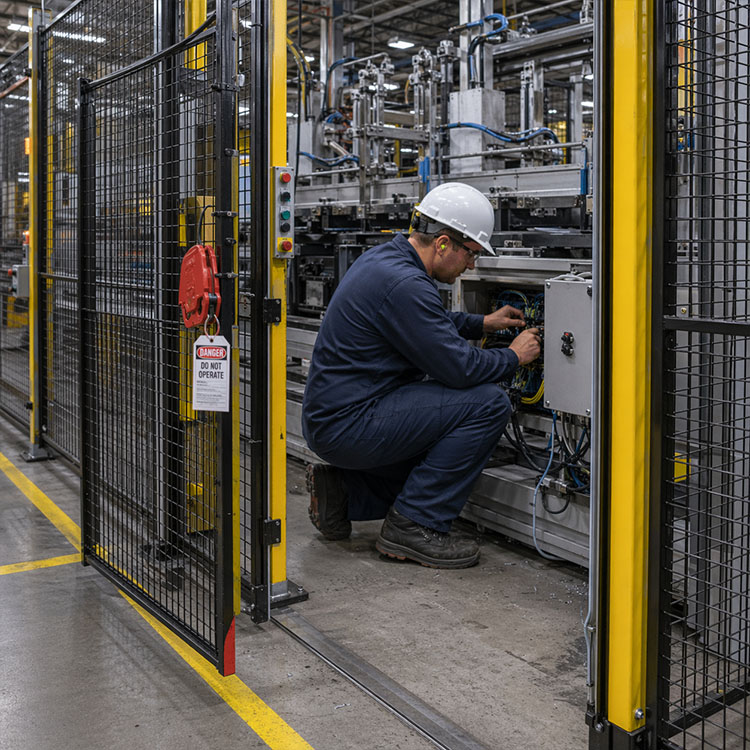
Genellikle kirli gerçeği bulduğum yer burasıdır: ön yükleme tarafında parlak bir güvenlik ışığı perdesi vardır, operatör panelinde etiketli bir sıfırlama düğmesi bulunur ve arka köşe - bakımın gerçekten girdiği yer - alışkanlık, umut ve soluk bir uyarı etiketi ile korunur.
Bunu kim onayladı?
Çok taraflı makine erişimi bir ürün kategorisi sorunu değildir. Bu bir tasarım disiplini sorunudur. Sadece makine koruması satın almıyorsunuz. Hangi insan vücudu parçasının hangi tehlikeye, hangi yönden, hangi hızda, hangi çalışma modu sırasında ulaşabileceğine ve makinenin hasar oluşmadan önce durup duramayacağına karar veriyorsunuz.
OSHA, temel çizgiyi açıkça ortaya koymaktadır 29 CFR 1910.212: bir veya daha fazla koruma yöntemi operatörleri ve diğer çalışanları çalışma noktaları, içeri giren kıstırma noktaları, dönen parçalar, uçuşan talaşlar ve kıvılcımlar gibi tehlikelerden korumalıdır. Bu dil önemlidir çünkü “her yere bir çit yerleştirin” dememektedir. İnsanları tehlikeden koruyun diyor.
İşte bu noktada birçok fabrika aşırı inşaat yapıyor.
İçindekiler
Pahalı Hata: Her Tarafa Ön Taraf Gibi Davranmak
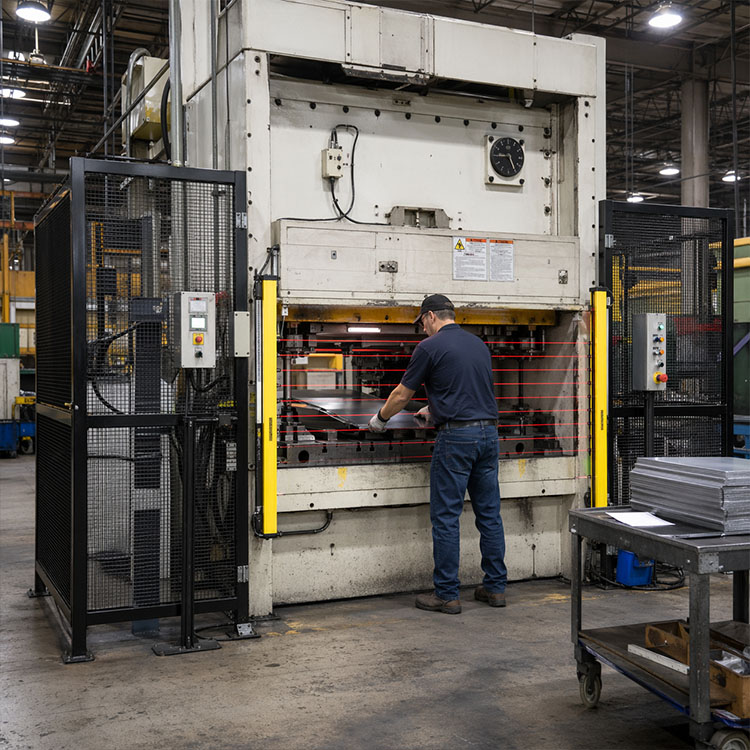
Bir makinenin ön tarafı genellikle tüm dikkati üzerine çeker çünkü görünür, üretken ve bir güvenlik dosyası için fotoğraflanması kolaydır. Yan erişim paneli? Daha az dikkat çekicidir. Arka hurda çıkarma yolu? Genellikle daha kötüdür. Konveyörün arkasındaki bakım açıklığı? Yaralanmadan sonra soruşturma burada başlar.
Bu konuda açık konuşacağım: çevre makine koruması genellikle düşünmenin yerine kullanılıyor.
Robotik bir hücrenin etrafını çitle çevirmek doğru olabilir. Kompakt bir yükleme istasyonunun etrafındaki tam bir çit tembel olabilir. Üç taraflı bir hücrenin bir çok taraflı erişim koruma ışık perdesi açık çalışma zarfında, erişim olmayan taraflarda sabit koruma ve yalnızca tüm vücut girişinin öngörülebilir olduğu yerlerde kilitli bir kapı.
Bu soyut bir uyum sorunu değil. Bu bir el, bir ön kol, bir kariyer.
Cihazlarla Değil Erişim Noktalarıyla Başlayın
Daha iyi bir makine koruması incelemesi bir harita ile başlar.
Broşür değil. Satıcı teklifi değil. Bir harita.
Makineyi gezin ve her makine erişim noktasını işaretleyin: ön yükleme, yan ayarlama, arka sıkışma giderme, üst erişim, boşaltma konveyörü, takım kapısı, hurda oluğu, robot öğretim yolu ve bakım tarama noktası. Ardından her bir açıklığı orada gerçekte ne olduğuna göre etiketleyin.
Ben beş soru kullanıyorum:
Bu erişim noktasını kim kullanıyor: operatör, teknisyen, temizlikçi, programcı, forklift sürücüsü?
Ne sıklıkla: her döngüde mi, her saatte mi, her vardiyada mı, ayda bir mi?
Hangi vücut parçası girebilir: parmak, el, kol, gövde, tüm vücut?
Makine temastan önce yeterince hızlı durabiliyor mu?
Bu son soru kötü tasarımları öldürür.
Durma süresi çok uzunsa bir güvenlik ışık perdesi sihirli bir şekilde bir makineyi güvenli hale getirmez. İnsanlar içeride sıkışıp kalabiliyorsa ve yeniden başlatma mantığı dikkatsizse bir güvenlik kilidi kapısı yeterli değildir. Sabit bir koruma, operatörler üretim yapılamadığı için onu çıkarırsa işe yaramaz.
Kompakt açıklıklar için bir kompakt güvenli̇k işik perdesi̇ mantıklı olabilir çünkü küçük makineler genellikle sıkı montaja, kısa algılama aralıklarına ve temiz entegrasyona ihtiyaç duyar. Daha büyük presler, bükme ekipmanları veya titreşime ve sert atölye kullanımına maruz kalan makineler için ağır makine ışık perdesi daha dürüst bir uyum olabilir.
Acı gerçek mi? En ucuz koruma genellikle insanların ilk atladığı korumadır.
Çok Taraflı Koruma Matrisi
Farklı tarafların farklı kontrollere ihtiyacı vardır. Bütün mesele bu.
Makine Erişim Senaryosu
Pratik Koruma Seçimi
En İyi Çalıştığı Yer
Başarısız Olduğu Yer
Sık sık önden yükleme
Güvenlik ışık perdesi
Hızlı operatör erişimi, tekrarlayan yükleme/boşaltma, görünür tehlike bölgesi
Durma süresi çok uzunsa veya yansıtıcı yüzeyler engel oluyorsa kötü uyum
Arka bakım girişi
Kontrollü sıfırlamalı güvenlik kilidi kapısı
Tüm vücut girişi, alet değişimi, servis görevleri
Tuzağa düşmüş kişi riski ve yeniden başlatma mantığı göz ardı edilirse zayıf
Rutin erişimin olmadığı ölü taraf
Sabit bariyer veya sert koruma
Düşük frekanslı erişim, basit tehlike izolasyonu
Operatörlerin günlük olarak çıkarması gerekiyorsa kötü
Robotların veya AGV'lerin etrafında geniş çevre
Güvenlik LiDAR veya tarayıcı bölgeleri
Dinamik bölgeler, mobil otomasyon, esnek düzenler
Operasyon noktası korumasının yerine geçmez
Üç taraflı açık ekipman
Çok taraflı ışık perdesi artı sabit yan korumalar
Birkaç erişim yüzü olan ve tek bir “ön yüzü” olmayan makineler”
Her taraf tam vücut girişi olarak kabul edilirse aşırı inşa edilmiş
Islak, tozlu veya darbeye eğilimli alan
Daha yüksek dereceli korumalı cihaz ve korumalı montaj
Yıkama, talaş, metal talaşı, titreşim
Montaj braketleri ve kablolar sonradan düşünülmüş gibi davranılırsa zayıf
İşte bu yüzden “aşırı inşaat yapmadan makine koruma” bir slogan değildir. Bir maliyet kontrol yöntemidir.
Bir tarafa asla erişim gerekmiyorsa, sabit koruma kullanın. Bir tarafın sürekli malzeme akışına ihtiyacı varsa, varlık algılama kullanın. Bir taraf bir kişinin hücreye girmesine izin veriyorsa, kilitleme, sıfırlama kontrolü ve sıkışmış kişi önleme kullanın. Alan dinamik olarak değişiyorsa şunlara bakın yapılandırılabilir algılama bölgeleri için güvenlik LiDAR sensörleri.
Ancak tek bir cihazın her tarafı çözdüğünü düşünmeyin.
OSHA Davalarının Bize Söyledikleri
Desen sıkıcı. Onu korkutucu yapan da bu.
Aralık 2024'te OSHA şunları söyledi G&S Metal Products $182,293 tutarında önerilen cezalarla karşı karşıya kalmıştır iki işçinin mekanik güç presleri etrafında çalışırken birbirlerinden birkaç hafta sonra ampütasyon yaralanmalarına maruz kalmasının ardından. OSHA yetersiz koruma ve kilitleme/etiketleme hatalarını tanımlamıştır.
Ortak konuya dikkat edin. “Yanlış marka güvenlik cihazı” değil. Tehlikeli harekete kontrolsüz erişimdir.
Bu ayrım önemlidir çünkü alıcılar ışın aralığını, gövde boyutunu, kablo tipini ve çıkış tipini karşılaştırmayı severler. Güzel. Karşılaştırın. Ancak düzeniniz, ön ışık perdesi işini mükemmel bir şekilde yaparken birinin yandan tehlikeli bir bölgeye ulaşmasına izin veriyorsa, makine erişim güvenliğiniz yoktur. Sizde tiyatro var.
Işık Perdelerinin Aslında Anlamlı Olduğu Yerler
Güvenlik ışık perdeleri erişimin sık olduğu yerlerde parlar ve fiziksel kapılar üretimi insanların onları yenmeye başlayacağı kadar yavaşlatır.
İyi kullanım örnekleri şunlardır:
Yükleme ve boşaltma istasyonları
Basın erişim açıklıkları
Montaj otomasyon hücreleri
Konveyör aktarma noktaları
Paketleme ekipmanları
Üç taraflı makine açıklıkları
Sınırlı montaj alanına sahip küçük tehlikeli makineler
Tekrar okuyun: risk değerlendirmesi ile uyumlu hale getirin.
“10 mm daha güvenli göründüğü için” değil. “Sınıf IV veri sayfasında iyi göründüğü için” değil. “Satın alma daha ucuz bulduğu için” değil.”
Çok taraflı erişim için, sıfırlama sırasında kimsenin etrafından dolaşamayacağı, üzerine uzanamayacağı, altında sürünemeyeceği veya korunan alanın içinde duramayacağı şekilde yerleştirilmiş algılama alanını görmek istiyorum. Ayrıca sıfırlama düğmelerinin operatörün tehlike bölgesini görebileceği bir yere yerleştirilmesini istiyorum. Kör sıfırlama, tarih bekleyen bir davadır.
Aşırı İnşaat Tuzağı: Daha Fazla Çelik, Daha Az Güvenlik
Aşırı yapılaşma genellikle üç şekilde ortaya çıkar.
İlk olarak, çit labirenti. Birisi, temizleme, kurulum veya bakım sırasında hala dahili erişim noktaları açıkta olan bir makinenin etrafına büyük bir çevre kafesi inşa eder.
İkincisi, cihaz yığını. Işık perdesi, kilitleme anahtarı, alan tarayıcısı, uyarı ışığı, zil, lamine tabela. Ciddi görünüyor. Kontrol mantığı zayıfsa hala güvensiz.
Üçüncüsü, “tek güvenlik standardı herkese uyar” teklifi. Her açıklık aynı çözünürlüğe, aynı yüksekliğe, aynı montaj mesafesine, aynı sıfırlama stratejisine sahip olur. Bu şekilde fazla harcama yapar ve gerçek tehlikeyi gözden kaçırırsınız.
Çözüm daha az koruma değil. Çözüm daha iyi tahsisattır.
Parayı riskin olduğu yere harcayın. Erişimin gereksiz olduğu yerlere sabit bariyerler koyun. Tüm vücutla girişin olduğu yerlerde güvenlik kilitli kapılar kullanın. Sık erişim ve durma mesafesinin anlamlı olduğu yerlerde güvenlik ışık perdeleri kullanın. Tehlike bölgesinin şeklinin değiştiği veya mobil ekipmanın izlenen alana ihtiyaç duyduğu yerlerde güvenlik LiDAR'ı kullanın.
Ve her zaman durma süresini test edin.
Çok Taraflı Makine Erişimi için Pratik Bir Tasarım Dizisi
İşte güvendiğim süreç bu çünkü zayıf varsayımları erkenden ortaya çıkarıyor.
1. Makineyi yukarıdan çizin
Yukarıdan aşağıya bir çizim yapın. Her tarafı işaretleyin. Operatör akışını, malzeme akışını, bakım akışını, hurda çıkarma ve acil kaçış yollarını etiketleyin.
Basit çizim. Büyük değer.
2. Rutin erişimi anormal erişimden ayırın
Rutin erişim normal üretim sırasında gerçekleşir. Anormal erişim ise sıkışma, temizlik, ayarlama ve onarım sırasında gerçekleşir. Çoğu yaralanma anormal erişimde gizlenir çünkü resmi makine döngüsü tek tehlikeli an değildir.
3. Her erişim noktasını risk altındaki vücut bölümüyle eşleştirin
Parmak koruması el koruması değildir. El koruması vücut koruması değildir. Vücut algılama, güvenli çalışma noktası koruması değildir. Bu noktada ışın aralığı, koruyucu yükseklik ve kurulum mesafesi katalog numaralarından daha fazlası haline gelir.
4. Son yerleştirmeden önce durma süresini kontrol edin
Bir ışık perdesi, kişi tehlike bölgesine ulaşmadan önce makinenin durmasını sağlayacak kadar tehlikeden uzak olmalıdır. Makinenin uzun bir durma süresi, zayıf frenleme, yavaş güvenlik rölesi mantığı veya tutarsız pnömatik davranışı varsa, cihazı açıklığa yakın monte etmek yanlış bir güvenlik hissi yaratabilir.
5. Bir müfettiş inceleyecekmiş gibi sıfırlama ve yeniden başlatma tasarımı
Sıfırlamaya basan kişi korunan bölgeyi görmelidir. Bir kiriş temizlendiği için yeniden başlatma otomatik olarak gerçekleşmemelidir. Tüm vücutla girişin mümkün olduğu durumlarda, kapana kısılma riski ciddiye alınmalıdır.
6. Sadece mühendislikle değil, bakımla da doğrulayın
Bakım görevlileri korumaların nereden kaldırıldığını bilir. Operatörler nerede sıkışma olduğunu bilir. Koruma planınıza gözlerini devirirlerse, dinleyin.
Kimsenin Bir Satıcıdan Almak İstemeyeceği Satın Alma Tavsiyesi
Makine korumasını yalnızca bir elektronik tablodan satın almayın.
Bir hesap tablosu size çözünürlük, aralık, çıkış, muhafaza boyutu, IP derecesi, kablo uzunluğu ve fiyatı söyleyecektir. Konveyör kılavuzu kaydığı için arka erişim panelinin vardiya başına iki kez kullanılıp kullanılmadığını size söylemeyecektir. Operatörün belli bir açıda durduğunu ve “korumalı” açıklığın etrafına ulaşabildiğini söylemez. Makinenin Pazartesi günü 280 ms'de ve altı aylık aşınmadan sonra 430 ms'de durduğunu söylemeyecektir.
OEM'ler ve entegratörler için tedarikçi iletişimi bu noktada önemlidir. Standart olmayan koruyucu yükseklikleri, sıra dışı montaj, üç taraflı düzenler veya uygulamaya uygun desteğe ihtiyacınız varsa, mekanik çerçeveyi dondurmadan önce üreticiyle konuşun. Çerçeve inşa edildikten sonra eklenen güvenlik donanımı genellikle pişmanlık gibi görünür.
Proje incelemesi için, makine tipini, tehlike noktasını, koruyucu yüksekliği, çözünürlüğü, algılama aralığını, montaj mesafesini, çıkış gereksinimini, voltajı, ortamı, pazarı ve miktarı güvenli̇k işik perdesi̇ tekli̇f ve başvuru i̇nceleme sayfasi. Bu, “Bir ışık perdesi için en uygun fiyatınız nedir?” diye sormaktan çok daha faydalıdır.”
SSS
Çok taraflı makine erişim koruması nedir?
Çok taraflı makine erişim koruması, tehlikenin ciddiyetine, erişim sıklığına, vücut parçalarına maruz kalma durumuna ve doğrulanmış durdurma performansına göre seçilen güvenlik ışık perdeleri, kilitli kapılar, sabit bariyerler ve güvenlik LiDAR'ı gibi uyumlu cihazları kullanarak bir makinenin iki, üç veya dört tarafından girişi kontrol eden bir koruma yaklaşımıdır. Operatörlerin, teknisyenlerin ve yakındaki çalışanların gözden kaçan yan, arka veya köşe açıklıklarından tehlikeli hareketlere ulaşmasını önler.
Makine erişim noktalarını aşırı inşa etmeden nasıl korursunuz?
Makine erişim noktalarını aşırı inşa etmeden korumak, her bir açıklığın etrafında gerekli üretim, bakım, temizlik ve malzeme akışını korurken tehlike bölgesine vücut girişini önleyen sabit korumalar, güvenlik ışık perdeleri, kilitler, sıfırlama mantığı ve prosedürlerin minimum etkili karışımını kullanmak anlamına gelir. Amaç maksimum donanım değil, riske dayalı uyumdur.
Güvenlik kilitli kapılar yerine ne zaman güvenlik ışık perdeleri kullanmalıyım?
Sık erişim, tekrarlayan yükleme ve açık malzeme akışı temassız koruma gerektirdiğinde güvenlik ışık perdeleri en iyisi olurken, tüm vücut girişi, bakım erişimi, sıkışmış kişi riski veya yeniden başlatmadan önce kontrollü fiziksel ayırmanın yönetilmesi gerektiğinde güvenlik kilitli kapılar daha iyidir. Doğru seçim erişim sıklığına, durma mesafesine, görünürlüğe ve yeniden başlatma kontrolüne bağlıdır.
Çok taraflı makineler için çevre makine koruması yeterli mi?
Çevre makine koruması yalnızca her tehlikeli alana gerçekçi erişimi engellediğinde ve korunan alan içinde gizli bakım, temizleme veya sıfırlama riskleri yaratmadığında yeterlidir. Operatörler transfer açıklıklarından ulaşabiliyor, servis panellerinden girebiliyor, kapıları atlayabiliyor veya korunan bölgenin içinde görünmeden durabiliyorsa bir çevre çiti başarısız olabilir.
Çok taraflı bir güvenlik ışık perdesi seçmeden önce hangi bilgilere ihtiyaç vardır?
Çok taraflı bir güvenlik ışık perdesi seçmek için makine tipi, tehlike konumu, erişim yönü, koruma yüksekliği, gerekli çözünürlük, algılama aralığı, montaj alanı, durma süresi, çıkış tipi, çevresel derecelendirme, sıfırlama konumu ve yerleşimin tek taraflı, çift taraflı veya üç taraflı korumaya ihtiyaç duyup duymadığı gerekir. Bu veriler olmadan, seçim, mühendislik olarak giydirilmiş tahminlere dönüşür.
Son Düşünceler: Çizimi Değil, Riski Koruyun
En iyi makine koruma planları en büyük olanlar değildir. Kaza, baskı veya rutin işlerle yenilmesi en zor olanlardır.
Bu rahatsız edici bir standarttır.
Makinenizin önden, yandan ve arkadan erişimi varsa, tek bir açıklık gibi davranmayı bırakın. Her erişim noktasını haritalandırın. Rutin erişimi bakım erişiminden ayırın. Durma süresini onaylayın. Cihazı alışkanlığa göre değil, riske göre seçin. Ardından her bir tarafın neden bu şekilde korunduğunu belgeleyin.
Çok taraflı makine erişim projeleri için bir yerleşim planı incelemesi ile başlayın ve korumayı gerçek tehlikeyle eşleştirin. Pratik bir model önerisine, özel boyutlara veya üç taraflı erişim incelemesine ihtiyacınız varsa, makine ayrıntılarınızı Güvenlik Perdesi iletişim sayfası ve sadece bir parça numarası değil, uygulamaya dayalı bir fiyat teklifi isteyin.