Makineniz için Doğru Güvenlik Işık Perdesine mi İhtiyacınız Var?
Bize makine tipinizi ve koruma gereksinimlerinizi söyleyin. Mühendislik ekibimiz projeniz için uygun bir güvenlik ışık perdesi, sensör veya güvenlik lidarı seçmenize yardımcı olacaktır.
Şunlar için destek alın:
Standart ve özel güvenlik ışık perdesi projeleri
OEM, entegrasyon, dağıtım ve fabrika yükseltme ihtiyaçları
Makine yerleşimi, algılama aralığı, çıktı ve ortama göre ürün seçimi
Çirkin Gerçek: Koruma Tartışmalarının Çoğu Çok Geç Başlıyor
Alıcılar temiz donanım listelerini sever. Entegratörler temiz kablo şemalarını sever. Tesis yöneticileri temiz faturaları sever.
Operatörler hayatta kalmayı seviyor.
Bu, kimsenin teklif e-postasına koymak istemediği gerilimdir. A güvenlik ışık perdesi sihirli bir çit değildir ve birden fazla ayrı güvenlik cihazıyla dolu bir raf otomatik olarak “daha fazla mühendislik” anlamına gelmez. Doğru cevap makinenin durma süresine, yaklaşma yönüne, yeniden başlatma mantığına, kör noktalara, bakım davranışına ve erişim noktalarının gerçekten tek bir tehlike bölgesi mi yoksa tek bir bölgeymiş gibi davranan birkaç bölge mi olduğuna bağlıdır.
Önce popüler olmayan kısmı söyleyeceğim: bir makinenin birkaç erişim tarafı olduğunda, bir çok taraflı erişim koruma ışık perdesi genellikle daha temizdir, sorun gidermesi daha hızlıdır ve operatörlerin anlaması daha kolaydır. Ancak her erişim noktasının farklı bir tehlike profili, farklı bir servis rutini veya farklı bir güvenli durum gereksinimi olduğunda, her şeyi tek bir optik güvenlik cihazına zorlamak güzel görünen bir hata haline gelebilir.
Her şeyden önce tek bir soru sorun: Tam olarak ne durmalı ve ne zaman?
OSHA'nın kendi makine koruma materyali, sorunun boyutu hakkında açık sözlüdür: yetersiz korumalı makineleri çalıştıran ve bakımını yapan işçiler yaklaşık Yılda 18.000 ampütasyon, laserasyon, ezilme yaralanması, sıyrık ve 800'den fazla ölüm göre ABD'de OSHA Makine Koruma eTool'u.Bu sayı, her “sadece bir sensör daha ekleyin” konuşmasını biraz daha az sıradan hissettirmelidir.
İçindekiler
Çok Taraflı Koruma Sadece “Daha Fazla Kiriş” Değildir”
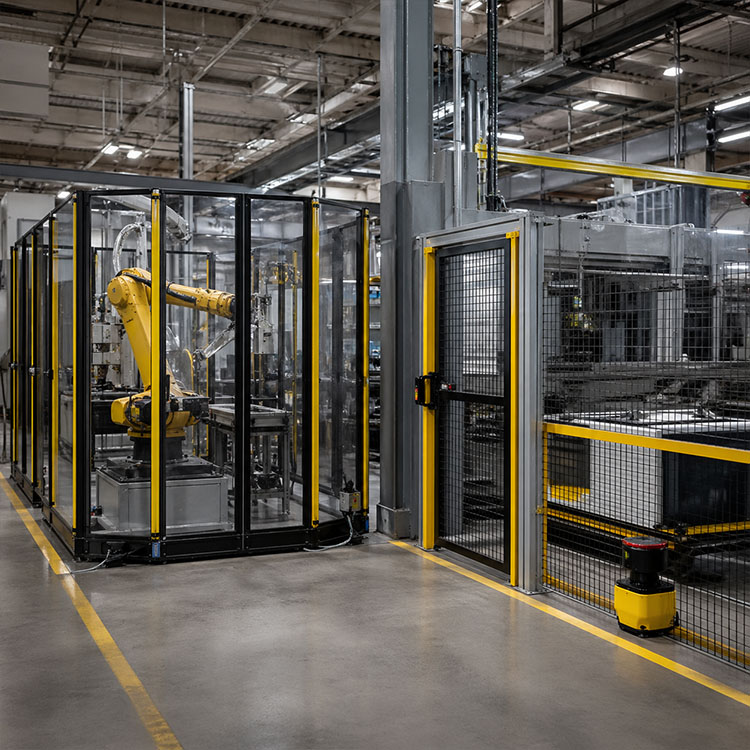
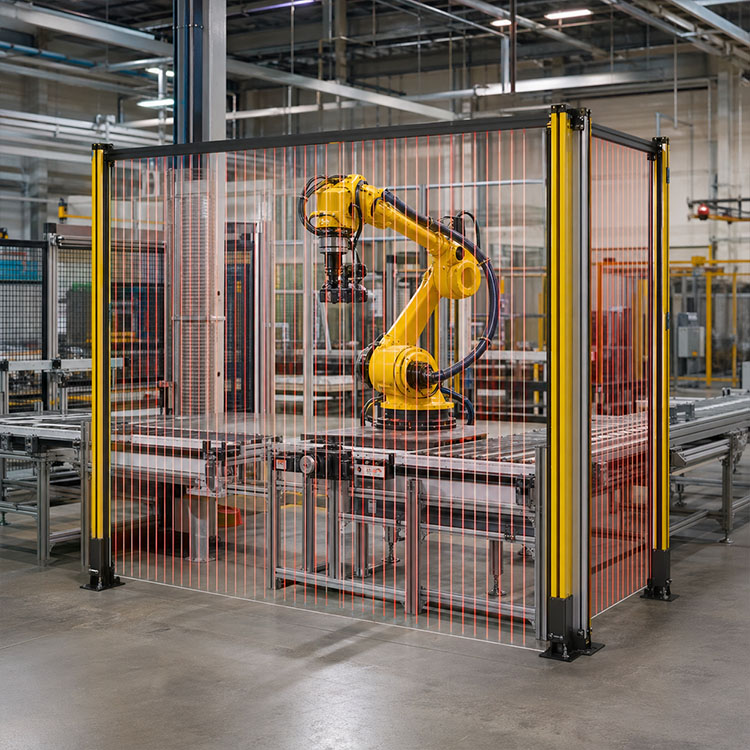
A çok taraflı erişim koruma ışık perdesi robotik hücreler, paketleme hatları, paletleme istasyonları, pres transfer alanları ve otomatik yükleme bölgeleri gibi birden fazla erişim noktası olan ekipmanları korumak için tasarlanmıştır. Ürün tarafında, bu kategori, tek taraflı korumanın yeterli olmadığı karmaşık ekipmanlar için zaten tanınmaktadır, sitenin kendi çok taraflı erişim koruma ışık perdesi menzil.
Yeterince basit.
Ancak teknik tuzak şudur ki “çok taraflı” çok farklı anlamlara gelebilir. Bir konveyör açıklığı etrafında U şeklinde bir koruma düzeni anlamına gelebilir. Bir güvenlik rölesine bağlı üç optik perde anlamına gelebilir. Bir robot hücresi etrafında senkronize edilmiş birkaç verici-alıcı çifti anlamına gelebilir. Ayrıca bir alıcının katalogda “3 taraflı koruma” ifadesini görmesi ve risk değerlendirmesinin tamamlandığını varsayması anlamına da gelebilir.
Öyle değil.
Ciddi bir makine koruma ışık perdesi düzeni için, herhangi biri fiyattan bahsetmeden önce en azından bu gerçekleri görmek istiyorum:
Karar Faktörü
Çok Taraflı Erişim Korumalı Işık Perdesi
Çoklu Ayrık Güvenlik Cihazları
En iyi uyum
Birkaç açık tarafı olan ilgili bir tehlike bölgesi
Farklı tehlikelere sahip çeşitli erişim noktaları
Tipik cihazlar
Güvenlik ışık perdesi, aynalar, direkler, senkronize optik ışınlar
Işık perdeleri, kilitli kapılar, güvenlik paspasları, güvenlik tarayıcıları, sabit korumalar
Kontrol mantığı
Genellikle ortak bir durdurma işlevi
Erişim noktasına göre ayrı güvenlik fonksiyonları
Operatör netliği
Korunan bölgenin anlaşılması kolay ise güçlü
Her cihazın net bir yerel amacı varsa güçlü
Zayıf nokta
Yanlış basitlik; kör köşeler; zayıf sıfırlama konumu
Kablolama karmaşıklığı; tutarsız sıfırlama felsefesi; daha zor doğrulama
Ortak kararlar
10 mm parmak, 20 mm el, 40 mm kol, 80 mm gövde tespiti
Göreve göre karışık: 14-30 mm perdeler, kilitler, paspaslar, tarayıcılar
Standartlar görüşmesi
ISO 13855:2024, IEC 61496-1/2, ISO 13849-1, IEC 62061
Aynı standartlar, ancak doğrulanacak daha fazla güvenlik fonksiyonu
Benim sert görüşüm
Tek bölge, tek durak, tek sıfırlama konsepti mantıklı olduğunda en iyisi
Erişim davranışı dağınık veya bakım odaklı olduğunda daha iyi
Masa, acımasız bir gerçeği gizliyor: bir güvenlik ışık ızgarası yalnızca algılama geometrisinin gerçekte gördüğü şeyleri korur. Mermilere, uçan talaşlara, fırlayan takımlara, depolanan enerjiye veya algılama düzleminin dışında duran bir teknisyene karşı koruma sağlamaz. Bu son nokta teori değildir.
Ölümle sonuçlanan 200 tonluk bir mekanik pres kazasına ilişkin NIOSH FACE soruşturmasında, yaklaşık Çalışma noktasından 18 inç uzakta, Ancak operatör pres döndüğünde bu algılama alanının dışındaydı; raporda ışık perdesinin, operatör algılama alanının dışında olduğu için presi durdurmadığı belirtilmektedir. Okuyun Mekanik güç presi ölümlerine ilişkin NIOSH FACE raporu optik bir güvenlik cihazının her kötü sonucu gördüğünü varsaymadan önce.
Tek Bir Güvenlik Işık Perdesi Sistemi Bir Yığın Cihazı Yendiğinde
Tehlikeli alan tek bir bölge gibi davrandığında çok taraflı erişim koruma ışık perdesi kullanın.
Bu temiz bir durumdur. Korunan herhangi bir tarafın kırılması aynı güvenli durdurmayı tetikleyecekse ve operatör yalnızca tam bölge görüşüne sahip bilinçli bir konumdan yeniden başlatacaksa, çok taraflı bir düzen karışıklığı azaltabilir. Daha az cihaz tipi. Daha az sıfırlama hikayesi. Gece 2:00“de daha az ”neden bu taraf durdu ama bu taraf durmadı?" tartışması.
Operatörün birkaç açık taraftan yükleme, boşaltma yaptığı veya gözlemlediği otomatik ekipman çevresinde çok taraflı optik korumayı seviyorum, ancak tehlike esasen ortak: bir robot hücresi, bir indeksleme masası, bir servo tahrikli fikstür, bir pres beslemeli taşıma bölgesi. Sahanın daha geniş güvenlik ışık perdesi kategorisi, seçim rastgele bir parça listesi yerine algılama çözünürlüğü, algılama aralığı, montaj stili ve makine tipinden başladığında bu satın alma yolunu destekler.
Ama şirinlik yapma.
Makine sık sık takım değiştirme, kalıp erişimi, sıkışma giderme veya öğretme modu girişi gerektiriyorsa, optik koruma tek başına yanlış ağırlık merkezi olabilir. Burada katı bir kuralım var: İnsanların süreci düzeltmek için tehlike bölgesine geçmesi gerekiyorsa, koruma tasarımı sadece üretimi değil bakımı da açıklamalıdır.
Alıcıların bir ürün sayfasından daha fazlasını okuması gereken yer burasıdır. Aşağıdaki gibi pratik bir tasarım makalesi çok tarafli maki̇ne eri̇şi̇mi̇ fazla i̇nşaat yapmadan nasil korunur Çünkü asıl mesele sensör eklemek değil, her erişim noktasını gerçek tehlikeyle eşleştirmektir.
Çoklu Ayrık Güvenlik Cihazları Daha Akıllı, Daha Az Güzel Bir Cevap Olduğunda
Birden fazla ayrı güvenlik cihazı, makine aynı çerçevenin arkasına saklanan farklı tehlikelere sahip olduğunda anlamlıdır.
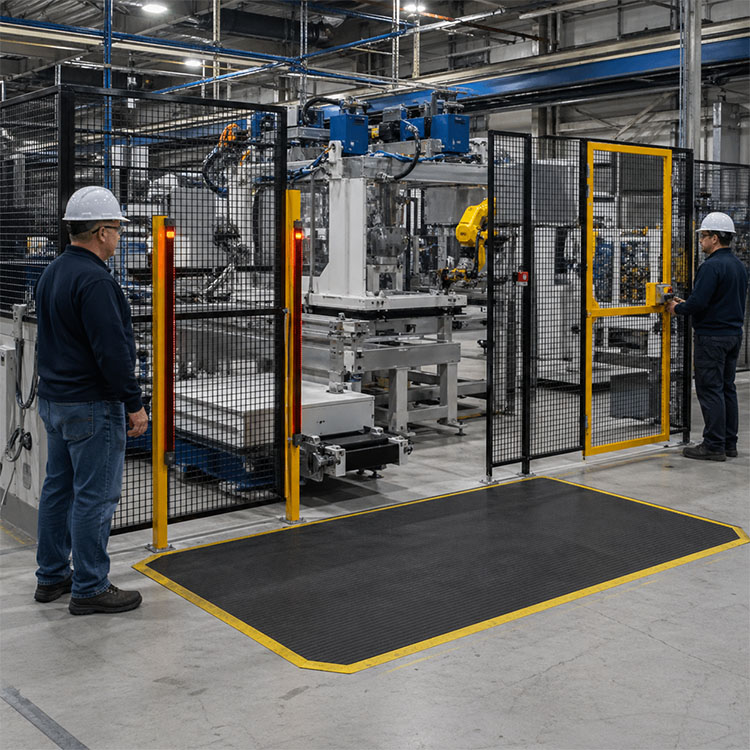
Bir ön yükleme bölgesi, operatörler her döngüde prosesle etkileşime girdiği için bir makine koruma ışık perdesine ihtiyaç duyabilir. Bir yan bakım kapısı bir koruma kilidine ihtiyaç duyabilir çünkü birisi hücrenin içinde durabilir. Arka palet çıkışında bir güvenlik tarayıcısı veya susturma kontrollü optik güvenlik cihazı gerekebilir çünkü malzemenin üretimi durdurmadan geçmesi gerekir. Bir üst erişim kapağının başka bir güvenlik ışığı ızgarasına değil, kodlu bir kilitlemeye ihtiyacı olabilir.
Dağınık mı? Evet.
Daha güvenli mi? Sık sık.
Moda satın alma hatası, tüm erişim noktalarını tek bir cihaz ailesinde düzleştirmektir. Bu, satın alma sırasında düzenli görünür. Bir olay müfettişi, bir operatörün korunan alanın içindeki kişiyi görmeden makineyi neden sıfırlayabildiğini sorduğunda daha az düzenli görünüyor.
OSHA'nın kaza veritabanı şunları içerir 115 sonuç “Işık Perdesi” anahtar kelimesi için, “Çalışan Işık Perdesi Boşluğu Nedeniyle Birden Fazla Parmağını Kesiyor” olarak tanımlanan 2022 girişi dahil. Bu, ışık perdelerinin kınanması değil; boşlukların, konumlandırmanın ve uygulama ayrıntılarının önemli olduğuna dair bir uyarıdır.
Ve işte satış broşürlerinin nadiren kabul ettiği kısım: bazen makine koruması için en iyi güvenlik ışık perdesi en büyük veya en pahalı perde değildir. Güvenlik işlevine uygun olandır. Küçük bir erişim açıklığı yakınında parmak algılama için 10 mm'lik kompakt bir perde ile çevre erişimi için 80 mm'lik bir vücut algılama perdesi, her ikisi de optik güvenlik cihazı olduğu için birbirinin yerine kullanılamaz.
Büyük presler, damgalama hatları, hidrolik ekipmanlar ve yüksek güçlü makineler için ağır makine ışık perdesi kategorisinde yer alsa da, tasarımı onaylamadan önce yine de durma süresi verileri, güvenlik mesafesi hesaplaması ve yeniden başlatma doğrulaması talep ederdim.
Kimsenin Sahiplenmek İstemediği Güvenlik Mesafesi Sorunu
İşte sektörün en sevdiği kestirme yol: “Yeterince uzağa monte ettik.”
Kime göre yeterince uzak?
ISO 13855, güvenlik önlemlerinin insan yaklaşma hızlarına göre konumlandırılmasıyla ilgilenir ve ISO sayfası ISO 13855:2024 bu konunun neden sonradan düşünülen montaja değil de mühendislik incelemesine ait olduğunu göstermektedir. Birçok mühendisin bildiği eski steno formülü şöyledir:
S = (K × T) + C
Nerede S minimum güvenlik mesafesidir, K yaklaşma hızıdır, T toplam durma süresidir ve C izinsiz giriş veya algılama payıdır. Pratik açıdan bu, hızlı OSSD çıkışlarına sahip bir DC24V güvenlik ışık perdesinin, aşınma, fren değişiklikleri, yük değişiklikleri veya PLC modifikasyonlarından sonra makinenin durma süresi yavaşsa, dengesizse veya hiç ölçülmemişse yine de tehlikeli bir şekilde yakın olabileceği anlamına gelir.
İşte bu noktada ucuz seçim mantığına karşı sabırsızlanıyorum.
Işın sayısı bir risk değerlendirmesi değildir. Koruyucu yükseklik bir risk değerlendirmesi değildir. Tip 4, PL e, SIL 3, IP66, M12 konektör, NPN/PNP çıkışı, 10 m menzil veya alüminyum gövde gibi bir katalog iddiası size ürünün neleri destekleyebileceğini söyler. Bir el kalıba, bıçağa, silindire, robot yoluna veya ezilme noktasına ulaşmadan önce makinenizin durup durmayacağını söylemez.
Ciddi bir alıcı, sitenin güvenli̇k ci̇hazi seçi̇mi̇ özellikle güvenlik ışık perdeleri ile güvenlik dışı ışık perdelerini veya Tip 2 ile Tip 4 cihazları karşılaştırırken bir başlangıç noktası olarak rehberlik eder. Rahatsız edici soru “Hangisi daha ucuz?” değildir. “Bir OSHA denetiminden sonra hangisi hala mantıklı?”
Bypass Edilmiş, Devre Dışı Bırakılmış veya Kötü Sıfırlanmış Korumaların Yanlış Ekonomisi
En kötü güvenlik cihazı, herkesin yenmeyi öğrendiği cihazdır.
Şartname incelemelerinde bu modeli gördüm: bir alıcı en ucuz düzeni seçer, operatörler rahatsız edici duraklardan şikayet eder, bakım parantezleri gevşetir, birisi sıfırlama davranışını değiştirir ve altı ay sonra sistem fiziksel olarak hala var olur, ancak ahlaki olarak değil. Bu bir koruma tiyatrosu.
Çalışma Bakanlığı, bir işçinin sıkışan parmağını temizlerken kısmi parmak ampütasyonu geçirmesi üzerine OSHA'nın plastik poşet üreticisine ceza verdiği 2016 tarihli gerçek bir vakayı anlattı; müfettişler üreticinin monte ettiği ışık perdelerinin devre dışı bırakıldığını tespit etti ve OSHA şu öneride bulundu $78,325 cezalarda. ve Baypas edilen ışık perdeleri hakkında DOL açıklaması eski, ama ders yaşlanmadı.
Yani soru sadece güvenli̇k işik perdesi̇ nasil seçi̇li̇r. Asıl soru, insanların atlayacak kadar nefret etmeyeceği bir güvenlik sisteminin nasıl seçileceğidir.
Bu şu demek:
Sıfırlama düğmelerini operatörün tehlike bölgesinin temiz olduğunu doğrulayabileceği bir yere koyun.
Çok taraflı korumanın içinde gizli durma alanlarından kaçının.
Erişimin gerekli olmadığı yerlerde sabit koruma kullanın.
Birinin girebileceği ve içeride kalabileceği kilitleri kullanın.
Sessizleştirmeyi yalnızca malzeme akışı gerektirdiğinde ve doğrulama desteklediğinde kullanın.
Risk seviyesinin daha yüksek optik ve hata algılama performansını haklı çıkardığı durumlarda Tip 4 cihazları kullanın.
Sıkışmaları giderme, kalıp değiştirme, temizleme ve kilitleme/etiketleme için yazılı prosedürleri kullanın.
OSHA'nın “Makine Koruması - Ampütasyonların Önlenmesi” başlıklı broşüründe, korumanın korumalar ve cihazlar kullanabileceği ve cihazların operatörün elleri çalışma noktasındayken makine döngüsünü kesintiye uğratabileceği belirtilmektedir. Ayrıca, amputasyonların en önemli iki kaynağının testereler ve presler olduğunu ve üretimin yaklaşık 44% ölümcül olmayan ampütasyonların sayısı.
Karar Kurallarım: Bir Bölge Bir Hikaye Alır; Birçok Bölgenin Birçok Hikayeye İhtiyacı Vardır
İşte benim pratik kuralım.
Korunan tüm taraflar ortak bir tehlike bölgesine giriyorsa ve makinenin bir güvenli durdurma, bir doğrulanmış sıfırlama ve bir net operatör zihinsel modeli ile yanıt vermesi gerekiyorsa, çok taraflı bir erişim koruma ışık perdesi seçin. Direkleri, aynaları, senkronize çiftleri veya uygun şekilde düzenlenmiş verici-alıcı setlerini yalnızca kör bölgeleri, yaklaşma hızını, durma süresini ve algılama çözünürlüğünü onayladıktan sonra kullanın.
Ancak her iki tarafın farklı davranışları varsa, birden fazla ayrı güvenlik cihazı kullanın. Bir tarafın güvenlik ışık ızgarasına ihtiyacı olabilir. Diğerinin kilitli bir korumaya ihtiyacı olabilir. Bir diğerinin tarayıcıya ihtiyacı olabilir. Bir diğerinin sabit korumaya ihtiyacı olabilir. Bu aşırı mühendislik değildir. Bu gerçeği kabul etmektir.
En iyi tasarımlar en güzel tasarımlar değildir. Onlar üretim baskısından kurtulabilenlerdir.
Tekrarlanabilir platformlar oluşturan OEM'ler, entegratörler ve distribütörler için bu ayrım ticari açıdan da önemlidir. Genel bir “makine koruması için en iyi güvenlik ışık perdesi” sunumu hızlı bir soruşturma kazanabilir. Operatör tarafında neden 20 mm'lik bir el koruma perdesi, çevre erişiminde neden 80 mm'lik bir vücut algılama perdesi ve servis tarafında neden kilitli bir bakım kapısı olması gerektiğini açıklayan bir tasarım tekrar iş kazandırır.
SSS
Çok taraflı erişim koruma ışık perdesi nedir?
Çok taraflı erişim koruma ışık perdesi, bir makine, robot hücresi, konveyör açıklığı, pres alanı veya otomatik iş istasyonu etrafında iki veya daha fazla yaklaşım tarafını izlemek için tasarlanmış, bir kişi korumalı ışık ışınlarını kestiğinde tehlikeli hareketi durduran optik bir güvenlik cihazı düzenlemesidir. Korumalı taraflar bir tehlike bölgesini ve bir güvenli durdurma gereksinimini paylaştığında en kullanışlıdır.
Basitçe söylemek gerekirse, bu sadece daha uzun bir güvenlik ışık perdesi değildir. Genellikle çoklu optik yollar, montaj direkleri, braketler veya aynalı/senkronize düzenler içeren karmaşık erişim geometrisi için bir koruma konseptidir.
Birden fazla ayrı güvenlik cihazı tek bir güvenlik ışık perdesinden daha mı güvenlidir?
Farklı erişim noktalarında farklı tehlikeler, görevler, durma gereksinimleri veya giriş davranışları olduğunda birden fazla ayrı güvenlik cihazı daha güvenlidir, çünkü her tarafa tek bir optik çözüm zorlamak yerine her cihaz gerçek riskle eşleştirilebilir. Otomatik olarak daha güvenli değildirler; daha temiz doğrulama, kablolama, sıfırlama mantığı ve dokümantasyon gerektirirler.
Zor olan kısım tutarlılıktır. Bir kapı, bir tarayıcı, bir güvenlik paspası ve bir makine koruma ışık perdesinin hepsi güvenlik kontrolörünü farklı şekilde besliyorsa, tasarım operatörler ve bakım personeli için yine de anlamlı olmalıdır.
Makine koruması için bir güvenlik ışık perdesini nasıl seçersiniz?
Makine koruması için bir güvenlik ışık perdesini, fiyat veya ışın sayısını karşılaştırmadan önce cihazı tehlikeyle, gerekli algılama çözünürlüğüyle, güvenlik mesafesiyle, durma süresiyle, erişim sıklığıyla, çevresel maruziyetle, güvenlik performans seviyesiyle ve sıfırlama mantığıyla eşleştirerek seçersiniz. Doğru perde, bir katalog kısayolundan değil, risk değerlendirmesinden seçilir.
Örneğin, 10 mm veya 14 mm algılama parmak korumasına uygun olabilir, 20 mm veya 30 mm el korumasına uygun olabilir ve 40 mm veya 80 mm gerçek makine düzenine bağlı olarak kol veya vücut erişimine uygun olabilir.
Güvenlik ışık ızgarası ne zaman yeterli değildir?
Tehlike mermiler, uçan talaşlar, depolanmış enerji, kapana kısılma riski, kör bölgeler, baypas riski veya birinin algılama düzleminin ötesinde durabileceği bakım erişimi içerdiğinde güvenlik ışık ızgarası yeterli değildir. Bu durumlarda, optik korumayla birlikte veya optik koruma yerine sabit korumalar, kilitler, kilitleme/etiketleme, güvenlik tarayıcıları veya mekanik bariyerler gerekebilir.
Birçok projenin başarısız olduğu yer burasıdır. Işık ızgarası izinsiz girişi bir düzlem üzerinden görür. Kötü prosedürleri, gevşek güvenlik bloklarını, devre dışı bırakılmış korumaları veya algılama alanının dışında duran bir operatörü görmez.
Tip 4 güvenlik ışık perdesi her zaman gerekli midir?
Tip 4 güvenlik ışık perdesi her zaman gerekli değildir, ancak genellikle IEC 61496 ile ilgili gereklilikler kapsamında daha güçlü arıza tespiti, optik performans ve güvenlik bütünlüğünün gerekli olduğu yüksek riskli makine güvenlik işlevleri için seçilir. Gerekli tip risk değerlendirmesine, PL/SIL hedefine, makine davranışına ve geçerli pazar standartlarına bağlıdır.
Benim görüşüm: eğer sonuç ampütasyon, ezilme veya ölümcül yaralanma ise, alıcılar düşük özellikli optik güvenlik cihazlarını maliyet tasarrufu sağlayan bir kazanç olarak görme konusunda çok dikkatli olmalıdır.
Son Düşünceler: Cihaz Satın Almayı Bırakın, Savunulabilir Bir Güvenlik İşlevi Satın Almaya Başlayın
Makinenizde bir paylaşılan tehlike bölgesi varsa, bir çok taraflı erişim koruma ışık perdesi ve oraya ait olduğunu kanıtlamak için durma süresi, güvenlik mesafesi, kablolama ve sıfırlama mantığı talep edin.
Makineniz karışık erişim davranışına sahipse, dört farklı sorunu çözmek için tek bir güvenlik ışık perdesini zorlamayın. Birden fazla ayrı güvenlik cihazı kullanın, her bir güvenlik işlevini belgeleyin ve sistemi baskı altında çalıştıran kişiler için anlaşılır hale getirin.
Gerçek bir makine düzeni için pratik bir seçim incelemesine mi ihtiyacınız var? Makine tipini, erişim taraflarını, koruyucu yüksekliği, algılama çözünürlüğünü, algılama aralığını, durma süresini, çıkış gereksinimlerini, voltajı, ortamı ve hedef pazarı iletişim sayfası ve donanım satın almadan önce bir yapılandırma önerisi isteyin.